Common Questions about Botulinum Toxin Courses for Nurses Answered
Posted on: March 12, 2026
Posted on:
If you’re a medical nurse considering a career in medical aesthetics, Botulinum Toxin, or BTX, training can open up exciting new opportunities. But with so many courses and regulations to navigate, it’s normal to have questions. How long does training take? How much does it cost? What procedures are you legally allowed to perform?
In this blog, we answer the most common questions about Botulinum Toxin courses for nurses, covering course content, duration, cost, scope of practice, and the legal considerations you need to know before getting started.
Who can enrol in Botulinum Toxin courses?
Botulinum Toxin training is specifically designed for healthcare professionals, and nurses are often the most common participants. To enrol, you usually need to hold a current nursing qualification and be registered with the Nursing and Midwifery Council (NMC). Many courses also accept doctors, dentists, or other regulated healthcare practitioners.
Courses are typically structured to build on your existing clinical skills, so it’s expected that you’ll have prior experience with injections and patient care. The exact entry requirements can vary between providers, so you should check to ensure you meet the specific criteria. This is essential for both legal compliance as well as for getting the most from your training.
What is covered in a BTX course for nurses?
A Botulinum Toxin course for nurses combines theory, practical skills, and guidance on building a safe, professional practice. Typically, in a beginner’s course, you’ll cover the basics of botulinum toxin, including how it works, safe dosing, and patient assessment. Consultation, consent, managing expectations, and handling complications are often all part of the training, alongside advice on the business side, like marketing legally and understanding indemnity.
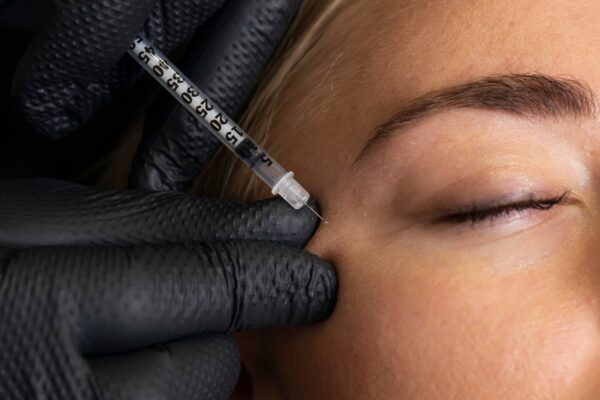
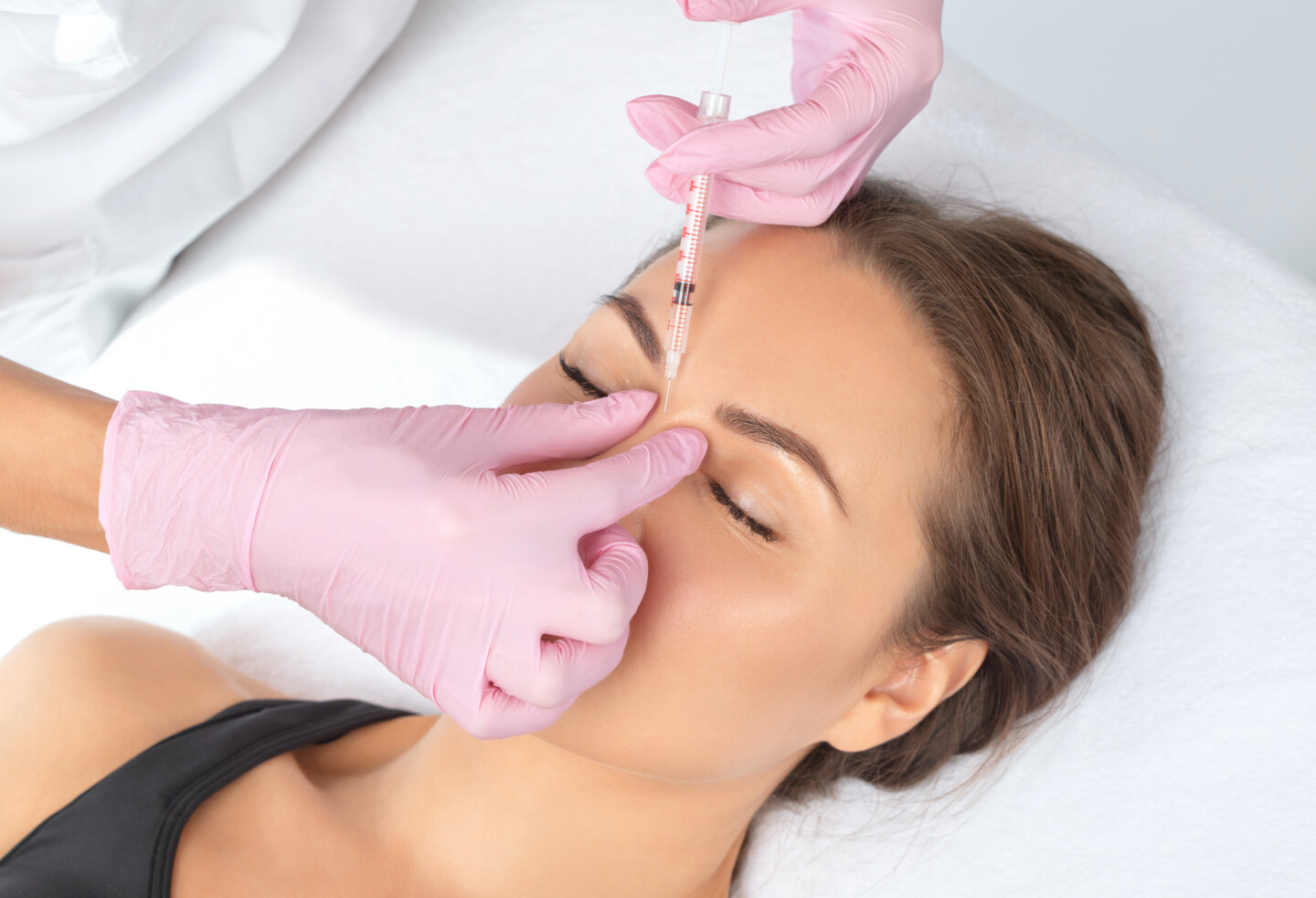
On the practical side, you’ll get hands-on experience with treatments across the full face and neck, including forehead, glabella, periorbital, perioral areas, and techniques for brow lifting, hyperhidrosis, and gummy smiles. By the end of the course, you should have the confidence and knowledge to assess patients effectively and deliver treatments safely and predictably.
At the Dr Bob Khanna Training Institute, our BTX training is included as part of our Module 1 Beginners Aesthetics Course. This course also includes a day focused on dermal filler, with the aim to give practitioners a well-rounded introduction to non-surgical facial aesthetics.
How long does a BTX course take?
At the Dr Bob Khanna Training Institute, our beginner Botulinum Toxin training is delivered over a single 7-hour day. As part of the Module 1 Beginners Aesthetics Course, this also includes a separate day for dermal filler.
For nurses who want to take their skills further, our Module 2 Advanced Aesthetics Course runs over four days and covers both BTX and dermal filler in greater depth.
What is the typical cost of a BTX training course?
A single BTX course At the Dr Bob Khanna Training Institute costs £1,556 (+VAT). For those who want a fuller introduction to facial aesthetics, the Module 1 package is a popular choice. This is priced at £2,055 (+VAT), and includes both BTX Levels 1 & 2 and Dermal Filler Level 1. This beginner’s course is designed to give you a solid foundation to start your career in medical aesthetics.
What procedures can qualified nurses perform?
Once a nurse has completed their Botulinum Toxin training, they can carry out non-surgical facial aesthetic treatments within their scope of practice. This typically includes anti-wrinkle treatments for the forehead, glabella, crow’s feet, lower face, and neck, as well as specialised procedures such as brow lifts, gummy smile corrections, and treating hyperhidrosis (excessive sweating).
It’s important to remember that nurses must work within the limits of their training and follow all legal and professional guidelines. Ongoing practice, supervision, and adherence to protocols will ensure all your treatments are safe, effective, and deliver predictable results.
What laws and regulations do nurses need to know before undertaking Botulinum Toxin training?
Nurses considering BTX training must work within both legal and professional guidelines. In the UK, only registered healthcare professionals, such as nurses, doctors, or dentists, are legally allowed to administer BTX. Nurses must also ensure they have appropriate indemnity insurance and follow Nursing and Midwifery Council (NMC) guidance on non-surgical cosmetic procedures.
There are also other important practical considerations. In the UK, nurses must be qualified independent prescribers to prescribe and administer Botulinum Toxin. If a nurse has not completed a prescribing qualification, they will need access to a suitably qualified prescriber to assess patients and issue prescriptions in line with current regulations. This includes the need to consult with the patient face-to-face before issuing a prescription for treatments such as Botulinum Toxin. Video calls, telephone consultations or other remote methods are no longer sufficient. This is a crucial factor when planning how you will practise after completing your training.
Courses like those at the Dr Bob Khanna Training Institute cover these regulations in detail, including consent, patient assessment, and safe practice, so you’ll have a thorough understanding of your responsibilities before you start performing treatments. You should also aim to stay up to date with legislation and professional standards throughout your practice to ensure you and your patients stay safe.
Are there different types of courses for Botulinum Toxin?
Botulinum Toxin training is designed to suit different levels of experience and treatment goals. Beginner courses focus on the essentials, covering areas like the full forehead, glabella, brow lifts, crow’s feet, perioral treatments (gummy smiles), lower face and neck, and hyperhidrosis. These give nurses the confidence and skills to start practising safely in facial aesthetics.
For those looking to take their skills further, advanced courses explore more specialised treatments, including bruxism, TMJD/TMD, jaw pain, chronic shoulder, neck and back issues, and headaches or migraines. Progressing from beginner to advanced allows nurses to expand their offerings and treat a wider range of patient needs.
How to choose the right Botulinum Toxin training course for you
Choosing the right BTX course comes down to your experience, career goals, and the type of treatments you want to offer. You can start by checking the entry requirements of a BTX course to ensure you’re eligible, and look for courses led by qualified instructors with hands-on clinical experience.
You’ll need to consider whether you want a beginner course to cover the basics of facial aesthetics, or an advanced course to expand your skills into specialised treatments like bruxism or migraine management. You can also look at the course accreditation, class size, practical training time, and ongoing support.
Finally, think about your career goals: do you want a quick introduction, or a comprehensive package that includes both Botulinum Toxin and dermal filler? It’s important to pick a course that fits your ambitions and provides confidence in safe practice.
How to register on a Botulinum Toxin training course as a nurse
Getting started with BTX training at the Dr Bob Khanna Training Institute is straightforward. You can view all our facial aesthetics courses on our website, and choose one that suits your training needs and schedule. Registration is quick, and the team will guide you through any requirements and answer any questions you may have.
Take the first step towards expanding your skills in medical aesthetics; secure your place on a beginners or advanced Botulinum Toxin course today and start your journey with expert guidance from Dr Bob Khanna. Contact us for more information.