Posted on: October 20, 2026
Posted on:
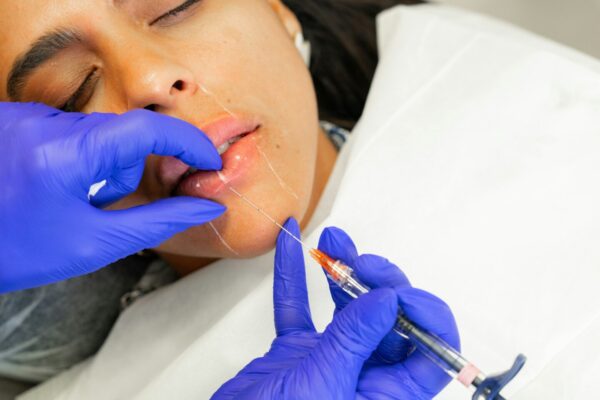
Lip filler nodules are among the complications that aesthetic practitioners are most likely to encounter. Although not every lump is preventable, much of the risk is determined in the treatment room through patient selection, product choice, aseptic practice, and injection technique.
For trainees and qualified injectors alike, the safest approach is prevention. This guide explains how nodules form, how to reduce risk before, during and after treatment, and how to respond when one appears.
What a filler nodule is and how it differs from normal swelling
A filler nodule is a discrete lump or area of firmness associated with injected product. It can be visible, palpable, or both. Some are painless and caused by product placement; others are accompanied by tenderness, redness, warmth or swelling and can suggest inflammation or infection.
This is different from the diffuse swelling or bruising that’s commonly expected after lip treatment. Normal post-treatment swelling tends to affect a broader area and should follow an improving clinical course. A nodule is more localised and might remain noticeable, become more defined as swelling settles, or appear after the initial recovery period.
It is helpful to classify nodules as below:
- Non-inflammatory or inflammatory: is the area simply firm or uneven, or are there signs such as pain, erythema, heat and progressive swelling?
- Early or late onset: did it appear during the immediate post-treatment period, or after the lips had initially settled?
These categories can overlap, and definitions of “early” and “late” vary. Timing should inform your assessment, not replace it: symptoms, examination findings, treatment history, and product all matter.
Why lip filler nodules form
Lip filler nodules can develop for a number of reasons, from product placement and injection technique to infection or a delayed inflammatory response. It’s essential to understand the likely cause, as different types of nodules will require different approaches to prevention and management.
Technique and placement causes
Early, non-inflammatory nodules are often linked to where and how the filler was injected. If filler is placed too close to the surface, it can be visible or felt beneath the skin or inner lip. Injecting too much product in one area, overfilling the lips, or unevenly distributing the filler can also create noticeable lumps.
Lip treatments require particular precision. The lips contain many blood vessels and are constantly moving, so even small differences in injection depth or volume can affect the result. Existing filler, scar tissue, natural asymmetry, and differences in tissue quality can also make it harder to distribute the product evenly.
Inflammatory and infection-related causes
Not every nodule is caused by how the filler was placed. Microorganisms can enter the treatment area if aseptic procedures are not followed carefully. Bacteria can also remain around the filler within a protective layer known as a biofilm, although it can be difficult to confirm whether a biofilm is responsible for the reaction.
An illness, dental infection or other immune trigger might cause the body to react around existing filler. Delayed hypersensitivity and other immune responses can also lead to swelling and nodules.
As redness, tenderness and swelling can have several causes, practitioners should not assume that every inflammatory nodule is an allergic reaction or treat it as a straightforward filler-placement issue.
Granuloma lip filler nodules and late-onset reactions
A foreign body granuloma is a long-term inflammatory reaction that happens when the body tries to surround and contain material it can’t remove. Unlike an early lump caused by filler placement, it can appear months or even years after treatment. It might grow gradually or develop at several previously injected sites. Tests such as imaging, laboratory analysis or a tissue sample are often needed to confirm the cause.
Granulomas must be managed differently from straightforward filler irregularities. Forceful massage or repeated treatment without a clear diagnosis could worsen the inflammation or delay appropriate care. Other possible causes, including infection, an abscess, a cyst or another soft-tissue condition, must also be considered, especially if the product used or the patient’s treatment history is unclear.
If you suspect a granuloma, you should seek advice from a senior clinician or refer the patient to a practitioner experienced in filler complications. This is not a situation for trial-and-error treatment.
Reducing nodule risk before you pick up the syringe
Prevention begins with a detailed consultation. You should ensure to record previous filler treatments and any complications. Ask about active skin or dental infections, recent illness, planned or recent dental work, allergies, medication, immune-modulating treatment and relevant autoimmune or inflammatory conditions. These factors could change the risk assessment or require input from an appropriate clinician.
Examine and palpate the lips rather than relying on photographs alone. Existing nodules, migrated product, scarring, or unexplained asymmetry should be investigated before more filler is added.
Select a legitimate, traceable product suited to the lip, intended plane, and desired outcome. You’ll need to thoroughly understand its rheology, concentration, tissue integration, and reversibility. More product is not a substitute for precise placement; a conservative, staged plan could be safer than pursuing the final result in one session.
Consent should cover lumps and nodules, delayed inflammatory reactions, and the potential need for further treatment. You should carefully explain the difference between expected swelling and symptoms that would require contact with the clinic.
Technique choices that lower the risk during treatment
You should always maintain a clean treatment field. Remove make-up, use an appropriate skin antiseptic, and avoid contaminating prepared skin, equipment or injection points. Hand hygiene, gloves, single-use equipment, and safe handling are fundamental. If asepsis is compromised, stop and reset the field.
During injection, keep four variables under deliberate control:
- Depth and plane: place product in the intended anatomical layer and reassess tip position.
- Volume: use conservative amounts per pass or deposit.
- Speed and pressure: use slow, controlled delivery and observe the tissue response.
- Distribution: assess symmetry and contour throughout treatment.
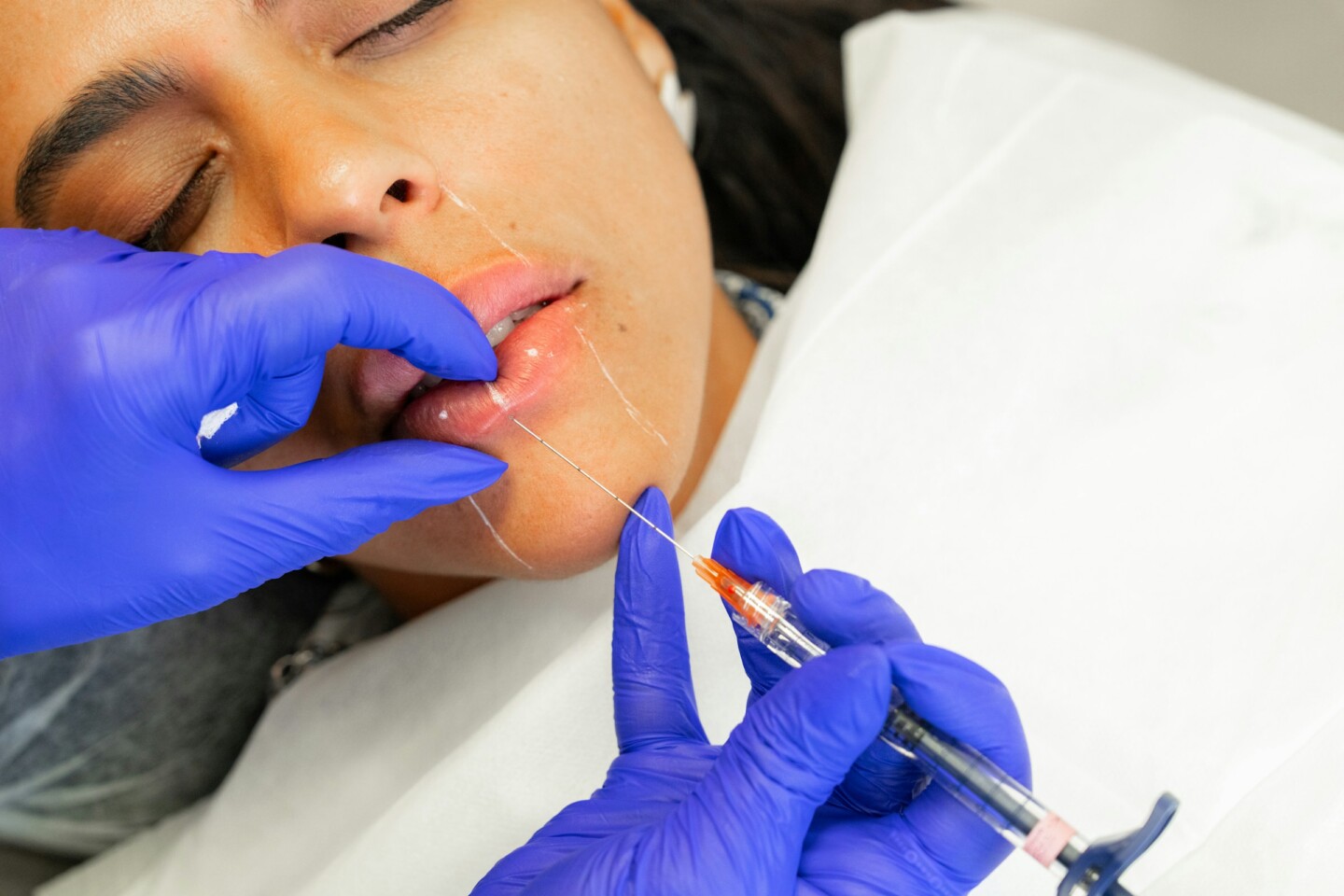
Needles and cannulas each have advantages and limitations. A needle can offer precise placement but creates more entry points. A cannula may enable smooth linear placement, but it doesn’t remove the risks of incorrect plane, contamination, or vascular injury. You should choose according to the objective, anatomy, product, practitioner skill, and patient.
Aftercare and follow-up that catch problems early
You should give clear written and verbal aftercare instructions. Patients should know they’ll need to contact the clinic about a persistent or enlarging lump, increasing pain, heat, marked redness, discharge, fever, skin colour change or worsening swelling. Any symptoms suggesting vascular compromise would require urgent assessment and must not wait for a routine review.
A scheduled review allows reassessment after initial swelling has reduced, which can help to identify irregularities early and reassure patients where healing is normal.
You should record consultation findings, consent, product and batch number, injection sites, volumes, technique, aftercare, and subsequent advice. Taking photographs before treatment and during the healing process can help with comparison.
Do filler nodules go away on their own?
Sometimes, but it depends on what caused the nodule, when it appeared and whether there are any signs of inflammation or infection.
A small, early lump without pain, redness or warmth might improve as the swelling settles and the filler integrates with the surrounding tissue. However, practitioners should not assume that every lump will disappear without treatment. A nodule that persists, grows or has an unclear cause should always be assessed.
Inflammatory nodules, suspected infections, and granulomas are unlikely to behave like minor placement irregularities. Rather than simply asking whether the nodule will go away, practitioners need to identify what type it is and decide whether monitoring it is safe.
Managing a lip filler nodule when one appears
Always assess the nodule before deciding how to manage it. Find out when it appeared, how it has changed and whether the patient has pain, redness, warmth, fluid beneath the skin, discharge, or signs of illness. Review the original injection record and ask about any dental work, infections, illnesses, injuries or medication changes since treatment. Examine the whole treated area rather than focusing only on the lump.
Gentle massage may be suitable for some early, painless lumps that show no signs of inflammation. However, vigorous massage should be avoided if the nodule is inflamed or the cause is unclear.
If a nodule has been caused by misplaced or excessive hyaluronic acid filler, treatment with hyaluronidase may be appropriate. This should only follow a full assessment and informed consent, using an up-to-date clinical protocol. Practitioners must understand the prescribing requirements, risks, and emergency procedures associated with hyaluronidase.
If infection is suspected, treatment may involve taking a sample for testing, draining the area where necessary, and prescribing suitable antimicrobials. An active infection should not be managed as though it were simply excess filler. The timing of hyaluronidase and anti-inflammatory medication requires careful clinical judgement. Nodules that contain fluid, keep returning, cause severe symptoms or have no clear cause may need an ultrasound or specialist assessment.
You should always seek senior advice or refer the patient if the diagnosis is uncertain, symptoms are worsening, initial treatment has not worked, a granuloma or abscess is suspected, the filler used is unknown, or the case falls outside your competence. Every injector should have a written complications plan, access to a prescriber, and clear referral arrangements in place before treating patients.
Build complication-ready lip filler skills with Dr Bob Khanna Training Institute
Safe lip augmentation requires more than learning an injection pattern. Practitioners need to understand anatomy, product behaviour, assessment, precise technique, and the early signs of complications.
Our dermal filler course for beginners introduces safe treatment of the perioral region, including the lips, and our advanced dermal filler course develops higher-level assessment and injection skills.
Explore our facial aesthetics courses to develop complication-ready skills and keep patient safety at the centre of every decision.