Understanding the Cheek Filler Swelling Stages: Aesthetician’s Guide
Posted on: October 27, 2026
Posted on:
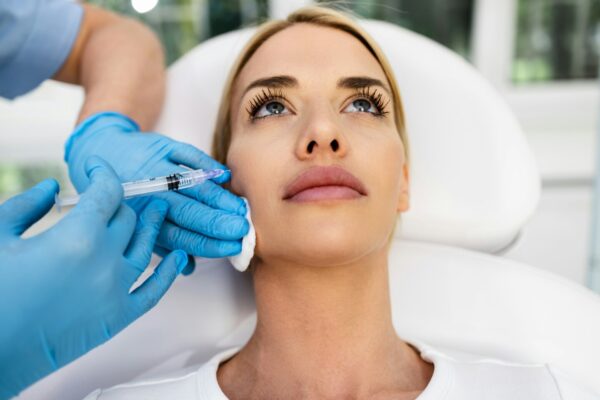
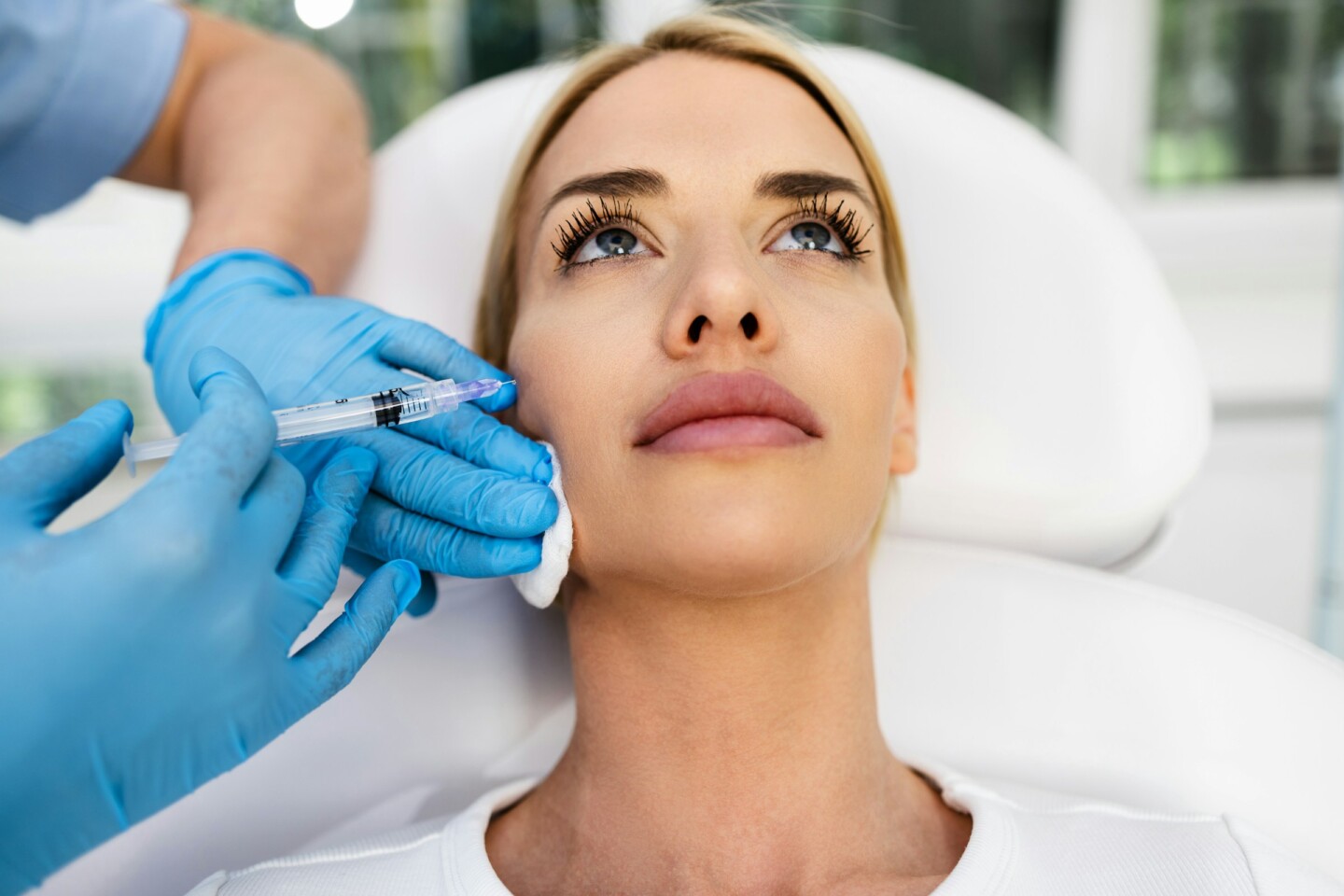
Swelling is one of the most common concerns after cheek filler treatment. Although it is a normal response to an injectable procedure, changes in fullness, symmetry and tenderness can cause patients anxiety if they don’t know what to expect.
So, aesthetic practitioners need to understand the typical recovery timeline, explain it clearly to patients and also distinguish between expected swelling and signs that require prompt assessment. This guide outlines the stages of cheek filler swelling, factors that can affect recovery, and symptoms that warrant further investigation.
What causes swelling after cheek filler?
Swelling following cheek filler treatment usually comes from a combination of tissue disruption, inflammation and the properties of the product used.
Passing a needle or cannula through soft tissue can disrupt small blood vessels and surrounding structures, which triggers the body’s healing response. This means that inflammatory mediators increase blood flow to the area, which can cause temporary swelling, tenderness, redness, and mild warmth.
Hyaluronic acid fillers can also contribute to swelling because hyaluronic acid attracts and binds water. As the filler settles, this can create temporary fullness beyond the volume that was injected. The extent of the reaction varies according to the patient, product and treatment performed, which is why the immediate appearance should not be treated as the final result.
How long does cheek filler take to settle?
Cheek filler swelling generally improves over the days and weeks after treatment, however, there is no single recovery timeline for every patient. Practitioners should consider the product used, treatment technique and individual patient factors, and refer to current evidence and relevant product information when advising patients.
Immediately after treatment
During the first few hours, patients might experience puffiness, redness, tenderness and mild swelling around the injection sites. Bruising could also begin to develop.
At this point, the cheeks can appear fuller than expected and minor asymmetries might be difficult to assess. Patients should be reminded that the filler and the body’s immediate response are both influencing the appearance, so it is too early to judge the result.
The first few days
Swelling might become more noticeable before it starts to improve. This could concern patients who expect the area to look progressively better from the moment they leave the clinic.
It might also develop unevenly, with one side appearing more swollen than the other. Bruising can become more visible during this stage and further affect the apparent result. It’s important to discuss these possibilities before treatment to reduce any anxiety and discourage requests for premature corrections.
The settling phase
As the inflammation subsides, the treated area will gradually become more representative of the intended outcome. Patients might notice day-to-day changes as fluid retention reduces and the tissues recover.
Temporary firmness or mild lumpiness can occur during healing and doesn’t necessarily indicate poor product placement. However, practitioners should assess any reported concerns in the context of the symptoms and recovery stage rather than assume they are routine.
Assessing the final result
Symmetry, projection, contour and overall treatment success should be evaluated once swelling has resolved and the tissues have stabilised. As such, review appointments should be scheduled at an appropriate point in recovery. Unless clinically indicated, top-ups and corrective adjustments should generally wait until any residual swelling is no longer affecting the appearance, to reduce the risk of overtreatment.
What can affect the swelling timeline?
The severity and duration of swelling can vary considerably. Treatment-related factors include the properties of the filler, the amount used, and the depth of injection. Larger-volume treatments or procedures that involve several facial areas could produce a greater tissue response than a more conservative treatment plan.
The technique can also affect recovery. Needles and cannulas interact with tissue differently, and the number of entry points and degree of manipulation can influence swelling and bruising. The appropriate approach should always be selected according to the patient’s anatomy, the treatment objective, and safe practice principles.
Patient-specific factors are equally important. Some people naturally bruise or swell more easily, and certain medicines or supplements can increase bleeding and visible bruising. Alcohol consumption around the time of treatment might also worsen swelling or bruising for some patients.
During recovery, strenuous exercise, pressure on the treated side of the face, and failure to follow aftercare instructions can prolong visible swelling. Rather than promising a fixed timeline, practitioners should explain that recovery depends on both clinical and individual variables.
Setting expectations during consultation
Effective expectation-setting starts before treatment. Patients should be told about the possibility of swelling, bruising, tenderness, temporary asymmetry, and changes in appearance at different stages of healing. It can be helpful to provide the information verbally and in writing, so they have a reference after they leave the clinic.
Baseline photographs are also valuable. Comparing standardised before-and-after images at review allows the practitioner and patient to evaluate the result more objectively instead of relying on memory.
Patients should know when their review will take place, how to contact the clinic, and which symptoms require urgent advice. Clear guidance can reduce anxious follow-up messages and also help to ensure that genuine complications are promptly reported.
Normal swelling versus signs requiring urgent attention
Most swelling is part of normal healing, but practitioners must be able to recognise symptoms that could indicate a complication.
Expected changes
Common post-treatment effects after cheek filler include:
- Mild to moderate swelling
- Tenderness around the treated area
- Bruising at injection sites
- Temporary firmness
- Minor or fluctuating asymmetry
These effects can differ between patients and can change during the early recovery period. Any reassurance given should be specific to the patient’s presentation, supported by suitable aftercare advice, and accompanied by review where appropriate.
Red flags that require prompt assessment
Potential signs of vascular occlusion include blanching, mottled or dusky skin, pain that is disproportionate to the procedure and any visual disturbance. These symptoms require urgent action in line with established complication protocols; visual symptoms should be treated as a medical emergency.
Practitioners should also remain alert to possible infection or allergic reaction. Rapidly worsening swelling, spreading redness, increasing heat or concerning systemic symptoms would warrant prompt clinical assessment rather than routine reassurance.
For more guidance on recognising vascular complications, see our guide to bruising versus vascular occlusion.
Delayed swelling
Swelling, nodules, or other localised changes can sometimes develop weeks, months or longer after treatment. New or progressive symptoms should not be automatically attributed to the original healing process.
An in-person clinical assessment is usually more appropriate than remote reassurance. Practitioners should document the timing and nature of the symptoms, relevant medical and treatment history, and any possible triggers that are reported by the patient. This information can guide further investigation, treatment, or referral.
Aftercare and follow-up
Clear aftercare advice helps patients to manage expected effects and recognise when they need support. Recommendations should reflect the treatment performed, the manufacturer’s guidance and current clinical evidence. They might include using a cold compress as directed, and avoiding unnecessary pressure on the area, including while sleeping.
Patients could also be advised to avoid strenuous activity and alcohol for a specified period because these can contribute to swelling or bruising. Instructions should be tailored to the individual rather than presented as universal rules.
At follow-up, standardised photographs can help practitioners compare the settled result with baseline images. All aftercare advice, patient communications, concerns and review findings should be recorded to support continuity of care and clinical governance.
If a patient’s symptoms can’t be explained by normal healing, you should arrange timely assessment and follow recognised management, escalation or referral protocols.
Strengthen your complications management with Dr Bob Khanna Training Institute
Distinguishing routine cheek filler swelling from a developing complication requires more than injection experience. Aesthetic practitioners need a strong understanding of facial anatomy, patient assessment, safe injection practice, and evidence-based complications management.
Patient safety is central to our courses at Dr BK Training Institute. Our programmes help qualified healthcare professionals develop the anatomical knowledge, practical techniques, and clinical judgement that are needed to plan and deliver facial aesthetic treatments while recognising when intervention or escalation may be required.
Explore our advanced aesthetic courses to strengthen your approach to facial anatomy, patient safety, and complications management.