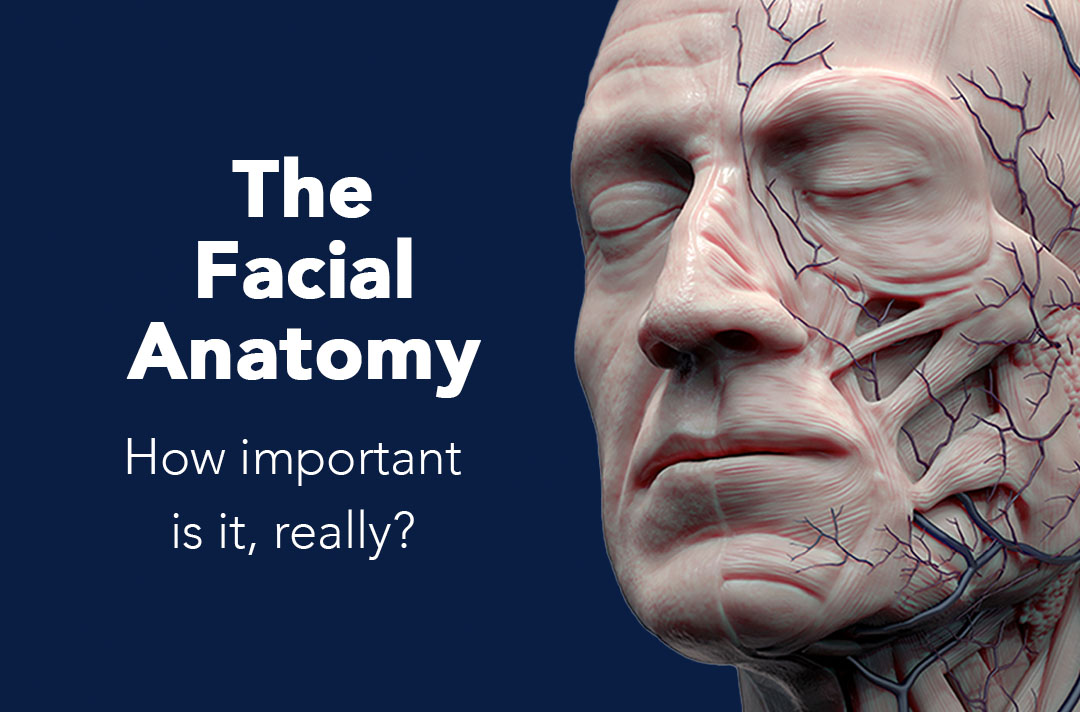
Knowing the Facial Anatomy – Why is it so important?
Posted on: March 18, 2026
Posted on:
Knowing the Facial Anatomy – Why It Matters for Medical Professionals in Aesthetics
In an industry that continues to grow rapidly but remains largely unregulated, a comprehensive understanding of the facial anatomy is essential for any medical professional performing aesthetic procedures. Anatomical knowledge directly impacts patient safety, treatment efficacy, and professional credibility.
Recent data underscores the stakes: in 2024, UK aesthetic practitioners treated over 3,000 cases of complications, with 87% linked to dermal fillers. Analysis shows that more than 90% of these complications occurred in procedures performed by non-specialist or insufficiently trained practitioners (Save Face Annual Report 2024).
Even trained medical professionals may encounter gaps in knowledge, particularly regarding 3D facial anatomy, highlighting the need for structured, advanced training.
At the Dr Bob Khanna Training Institute, we focus on ensuring delegates can deliver safe and predictable outcomes. The most effective way to achieve this is through comprehensive mastery of facial anatomy, which forms the foundation of all advanced aesthetic procedures.
1) Deliver Safe and Predictable Outcomes
Performing facial aesthetic procedures safely requires more than technical skill; it requires an in-depth understanding of the facial anatomy — including the position of arteries, veins, nerves, and muscle layers.
Practitioners with detailed anatomical knowledge can:
- Accurately assess individual patient anatomy
- Minimise risks such as bruising, swelling, or nerve injury
- Anticipate and manage complications effectively
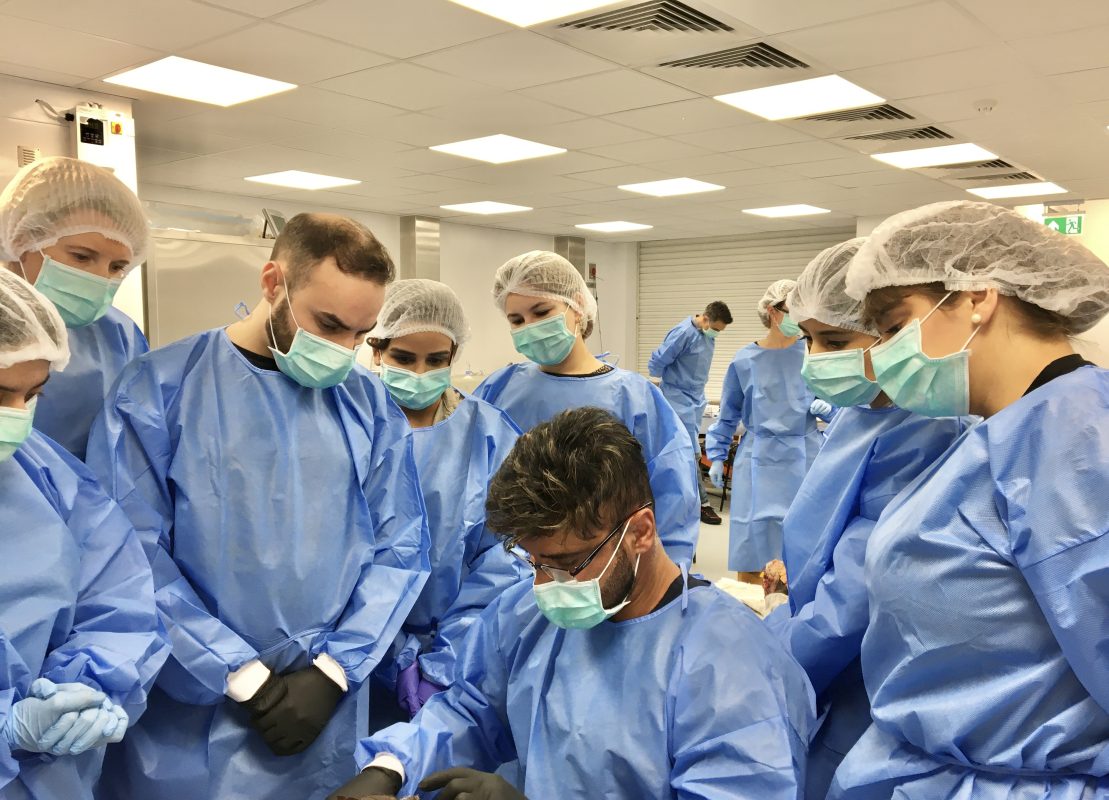
Our Facial Anatomy Cadaver Course provides delegates with hands-on experience to enhance procedural confidence and consistency in outcomes.
2) Avoiding Serious Complications
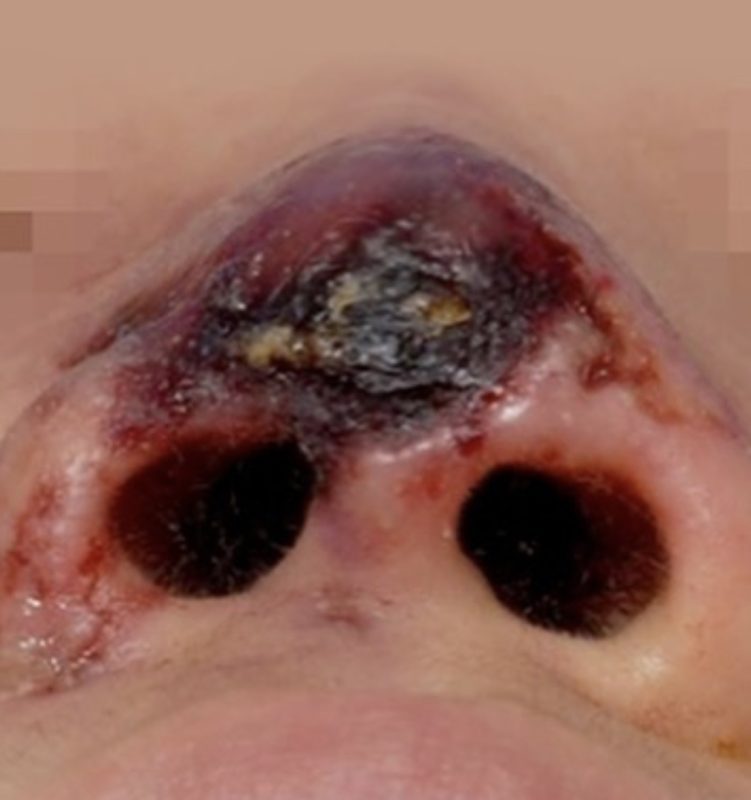
Facial aesthetics carries inherent risks. Complications from dermal filler procedures can range from vascular compromise and tissue necrosis to blindness.
According to Save Face, over 3,000 reports of complications or unwanted outcomes were submitted in 2024–2025. Similarly, reports show that patients are often unaware of practitioner qualifications or insurance coverage, leaving them vulnerable to unsafe practices.
Complication rates for procedures are rising, with some cases requiring intensive care and leaving permanent disfigurement.
Structured anatomical training is the most effective way to reduce these risks and ensure high standards of patient safety.
3) Elevate Professional Standards
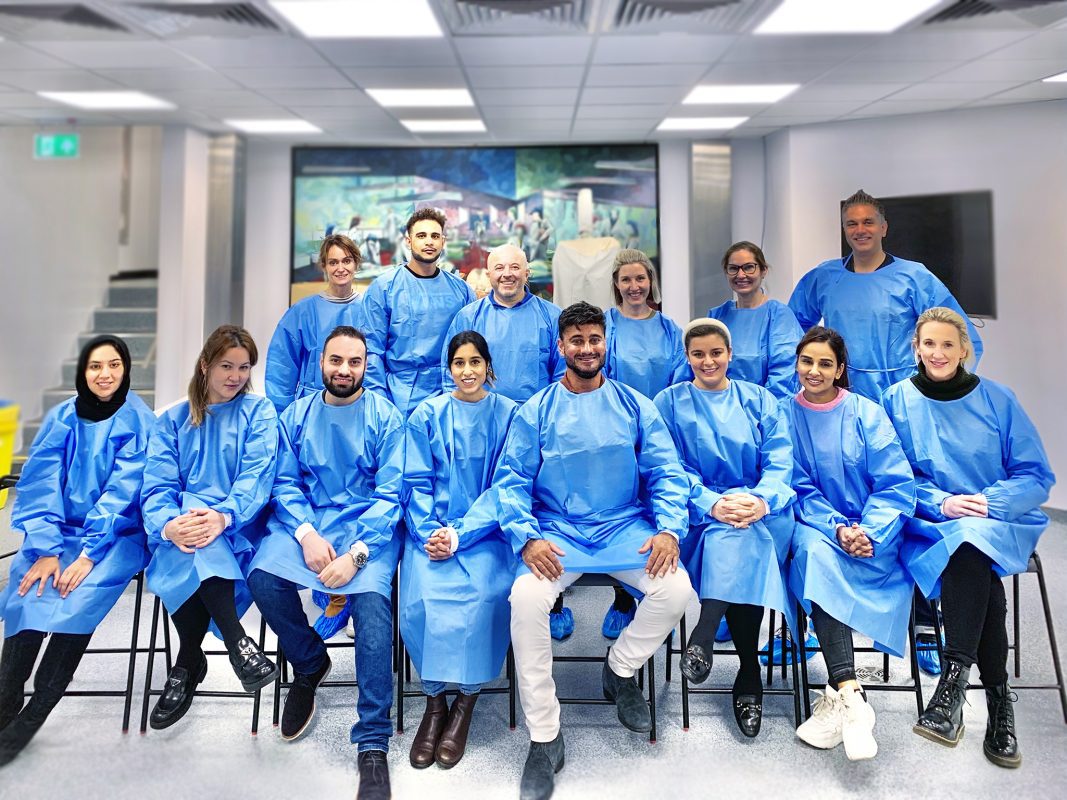
Medical professionals have a responsibility to maintain and improve standards in facial aesthetics. In the absence of robust regulation, practitioners distinguish themselves through expertise, training, and adherence to best practice.
Intensive cadaver-based anatomical training enables clinicians to perform complex procedures safely while upholding the highest professional standards and reinforcing patient trust.
Upcoming Facial Anatomy Cadaver Course
Join us for our upcoming Two Day Ultimate Anatomy Cadaver Course – ideal for medical professionals who wish to gain a solid knowledge of the 3D facial anatomy, from skin to bone.
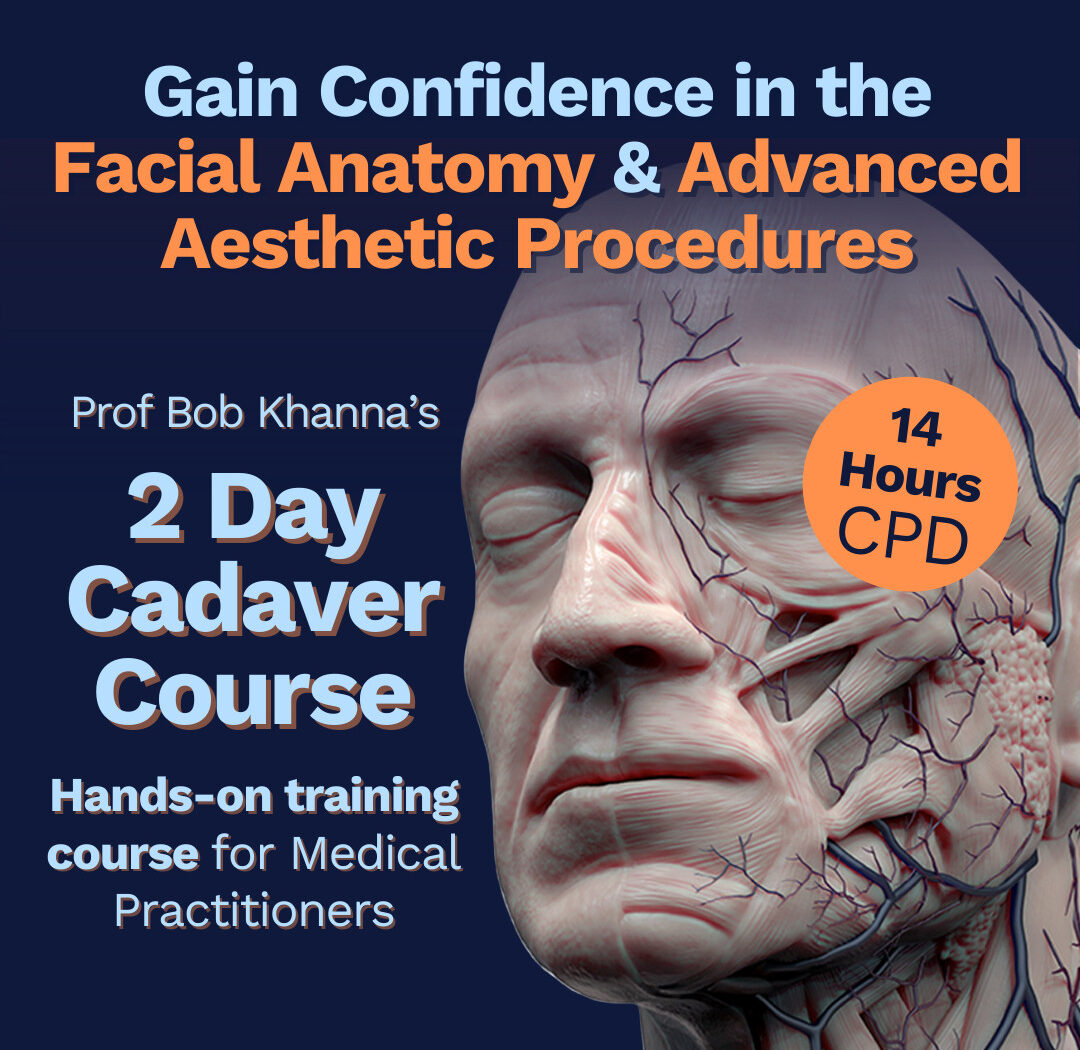
The two-day course offers:
- Comprehensive learning about the 3D facial anatomy, with dissection from skin-to-bone
- Learn advanced aesthetic procedures across the full face
- Live demonstrations by Prof Bob Khanna
- Hands-on practical sessions
This course is designed for medical professionals seeking to deepen their understanding of 3D facial anatomy and enhance both safety and efficacy in their practice.
Next course date: 22 – 23 July 2026
Location: Brighton & Sussex Medical School.
Secure your place today to strengthen your anatomical knowledge, improve patient outcomes, and advance your professional expertise.
Related Blogs: