Why Even Experienced Injectors Get Complications
Posted on: July 2, 2026
Posted on:
Why Even Experienced Injectors Get Complications
How a Deeper Understanding of Facial Anatomy Can Help Prevent Avoidable Complications
When complications occur in aesthetic medicine, it’s easy to assume they are the result of inexperience. In reality, even highly experienced injectors can encounter complications.
Why?
Because no two patients share exactly the same facial anatomy. Every treatment requires clinical judgement, a detailed understanding of underlying anatomical structures and the ability to adapt your technique to the individual in front of you.
Technical ability, product choice and experience all play an important role, but they are only as effective as the anatomical knowledge that guides them. As complication rates continue to rise, understanding why they occur has never been more important.
The reality behind aesthetic complications
According to the Save Face Annual Report 2024, UK aesthetic practitioners managed more than 3,000 reported complications, with 87% relating to dermal filler treatments.
While many of these cases involved non-medical or insufficiently trained practitioners, complications are not exclusive to beginners. Even the most experienced injectors encounter patients with unique anatomical differences, ageing changes and treatment histories, meaning no two procedures are ever exactly the same.
The question is not whether complications can occur. The question is whether you have the anatomical knowledge to recognise risk, adapt your technique and manage complications effectively should they arise.
Why experienced injectors still get complications
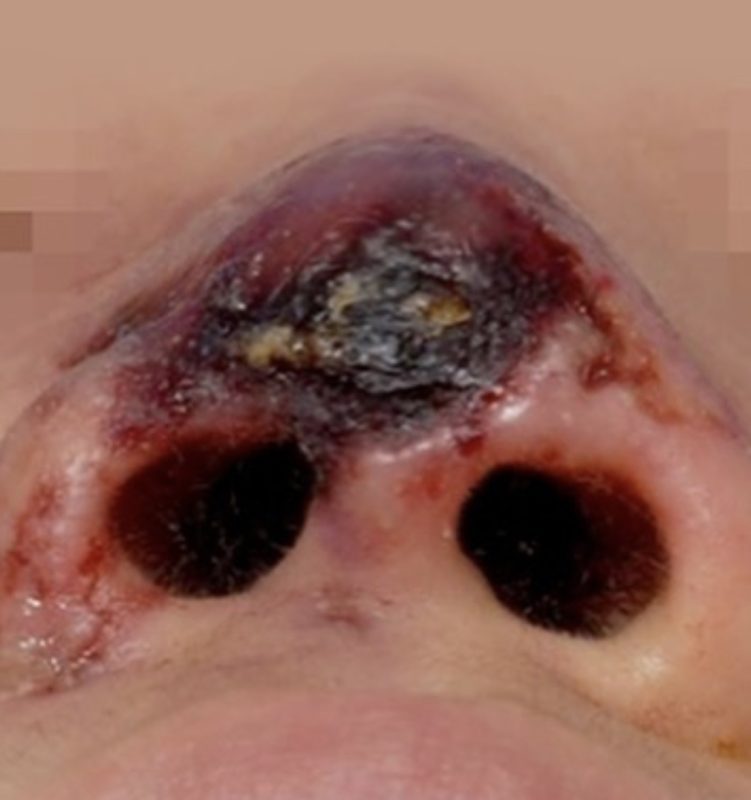
Experience undoubtedly improves technical skill, but it does not remove anatomical variation. Even familiar treatment areas can differ significantly from one patient to the next, meaning no two injections are ever exactly the same.
This is why complications can occur even in experienced hands. They are not always the result of poor technique, but of underestimating the complexity of the anatomy beneath the skin.
From vascular occlusion and tissue necrosis to poor aesthetic outcomes, understanding the anatomy beneath the skin is fundamental to reducing avoidable risk.
Safe injection requires more than knowing anatomy in theory. It requires the ability to visualise exactly where your needle or cannula sits in relation to the surrounding structures throughout the entire procedure.
The more accurately you can visualise the anatomy beneath the skin, the better equipped you are to anticipate risk, adapt your technique and deliver safe, predictable outcomes.
Why cadaver training makes the difference
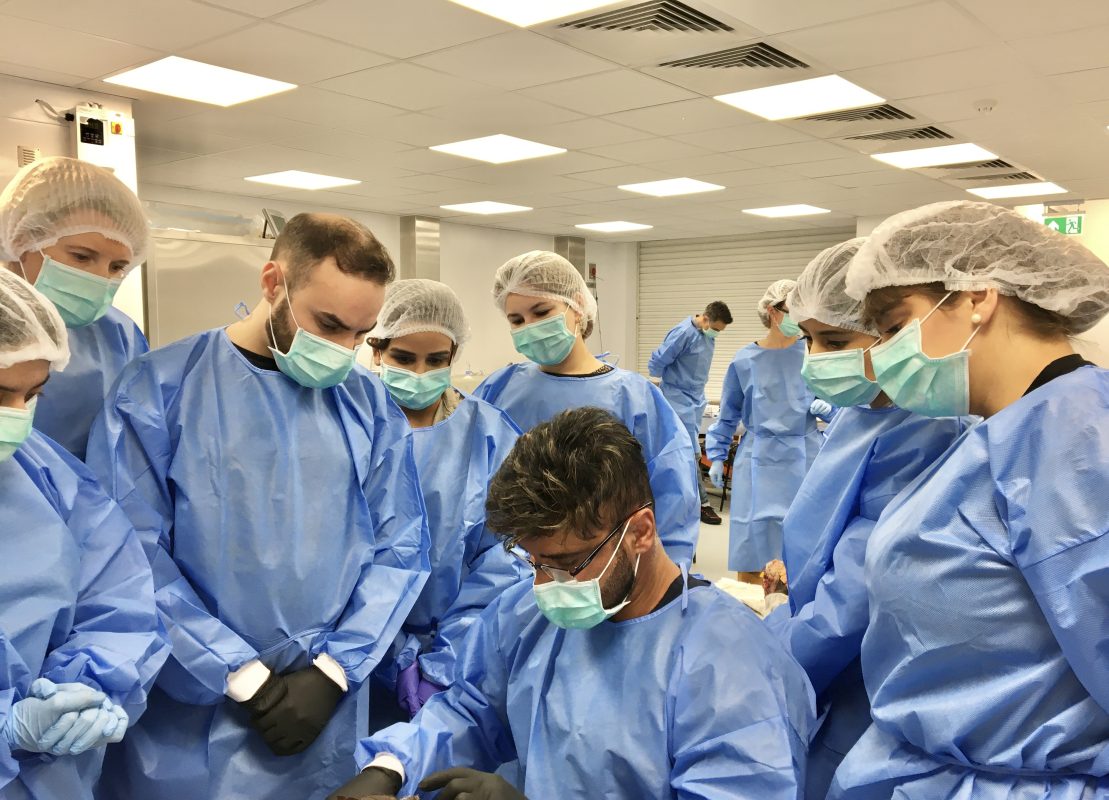
Understanding anatomy conceptually is one thing. Seeing it in three dimensions is another. For many delegates, this is the moment the anatomy finally clicks. Structures they’ve previously studied in textbooks become three-dimensional, making it easier to understand why complications occur—and, more importantly, how to avoid them.
By observing real human anatomy through meticulous dissection, practitioners gain a three-dimensional understanding of how the skin, fat compartments, muscles, retaining ligaments, nerves and blood vessels interact; knowledge that directly translates into safer, more confident clinical practice.
For many experienced injectors, cadaver training provides those “lightbulb moments” that immediately improve confidence and clinical judgement.
Invest in your most important clinical skill
Every injectable treatment begins with anatomy.
That’s why investing in your anatomical knowledge is one of the most valuable decisions you can make – not only for your own professional development, but for the safety of every patient you treat.
If you’re looking to strengthen your understanding of facial anatomy and inject with greater confidence, our Two-Day Ultimate Anatomy Cadaver Course offers an immersive learning experience designed specifically for medical professionals.
The course combines detailed cadaver dissection with expert-led teaching from Prof Bob Khanna, enabling delegates to bridge the gap between anatomical theory and everyday clinical practice.
During the course, you will:
- Explore the facial anatomy through meticulous skin-to-bone dissection
- Develop a comprehensive understanding of the 3D facial anatomy
- Observe the relationship between vital neurovascular structures and common injection sites
- Watch live demonstrations of advanced aesthetic procedures
- Learn practical techniques to improve safety, precision and treatment outcomes
- Strengthen your confidence when treating patients across the full face
- Whether you are relatively new to aesthetics or an experienced injector looking to refine your practice, this course provides knowledge that will benefit every patient you treat.
Next course date: 22 – 23 July 2026
Location: Brighton & Sussex Medical School.
Ready to strengthen your anatomical knowledge and inject with greater confidence?
Book your place on our Two-Day Ultimate Anatomy Cadaver Course today.
Related Blogs: